西北有高樓 translation - A Tall Tower in the Northwest
This is a translation of the poem 西北有高樓 from 古詩十九首 (Nineteen Old Poems).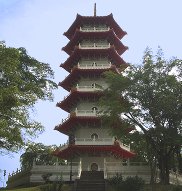
西北有高樓 xī běi yǒu gāo lóu [west] [north] [has] [tall] [building] There is a tall tower in the Northwest,
上與浮雲齊 shàng yǔ fú yún qí [top] [with] [float] [cloud] [level] its top level with the floating clouds,
交疏結綺窗 jiāo shū jié qǐ chuāng [intersect] [thin] [bond] [silk lattice] [window] its windows decorated with fine, elegant lattice,
阿閣三重階 ē gé sānchóng jiē [flatter] [palace] [three] [layer] [rank] its palatial roofs three layers high.
上有絃歌聲 shàng yǒu xián gē shēng [top] [has] [string] [song] [sound] At the top there is the sound of string and song,
音響一何悲 yīn xiǎng yī hé bēi [sound] [noise] [one] [how] [sorrow] how mournful is the sound.
誰能為此曲 shéi néng wéi cǐ qū [who] [could] [do] [this] [tune] Who could produce such a song?
無乃杞梁妻 wú nǎi qǐ liáng qī [not have] [only] [Qi] [Liang] [wife] None but the wife of Qi Liang.
清商隨風發 qīng shāng suí fēng fā [pure] [shang] [follow] [wind] [develop] The pure shang tone follows the wind,
中曲正徘徊 zhōng qū zhèng pái huái [middle] [song] [just] [irresolute] [dither] faltering and hesitating in the middle of the song.
一彈再三歎 yī dàn zài sān tàn [one] [pluck] [again] [three] [sigh] One pluck, two or three sighs,
慷慨有餘哀 kāng kǎi yǒu yú āi [fervent] [sad] [has] [remain] [grief] A fervent regret that lingers in sadness.
不惜歌者苦 bù xī gē zhě kǔ [not] [pity] [song] [one who] [suffer] One does not pity the suffering of the singer,
但傷知音稀 dàn shāng zhī yīn xī [but] [hurt] [know] [sound] [rare] but is hurt by the scarcity of those who understand the song.
願為雙鳴鶴 yuàn wéi shuāng míng hè [wish] [be] [pair] [call] [crane] Wishing to be a pair of calling cranes,
奮翅起稿飛 fèn chì qǐ gǎo fēi [exert] [wing] [rise] [height] [fly] Exerting their wings to fly to greater heights.